November 9, 2026 | Jewish Heritage
Every year, Jewish communities across Israel gather to celebrate a remarkable tradition rooted in centuries of faith, perseverance, and longing for Jerusalem.
The holiday is called Sigd.
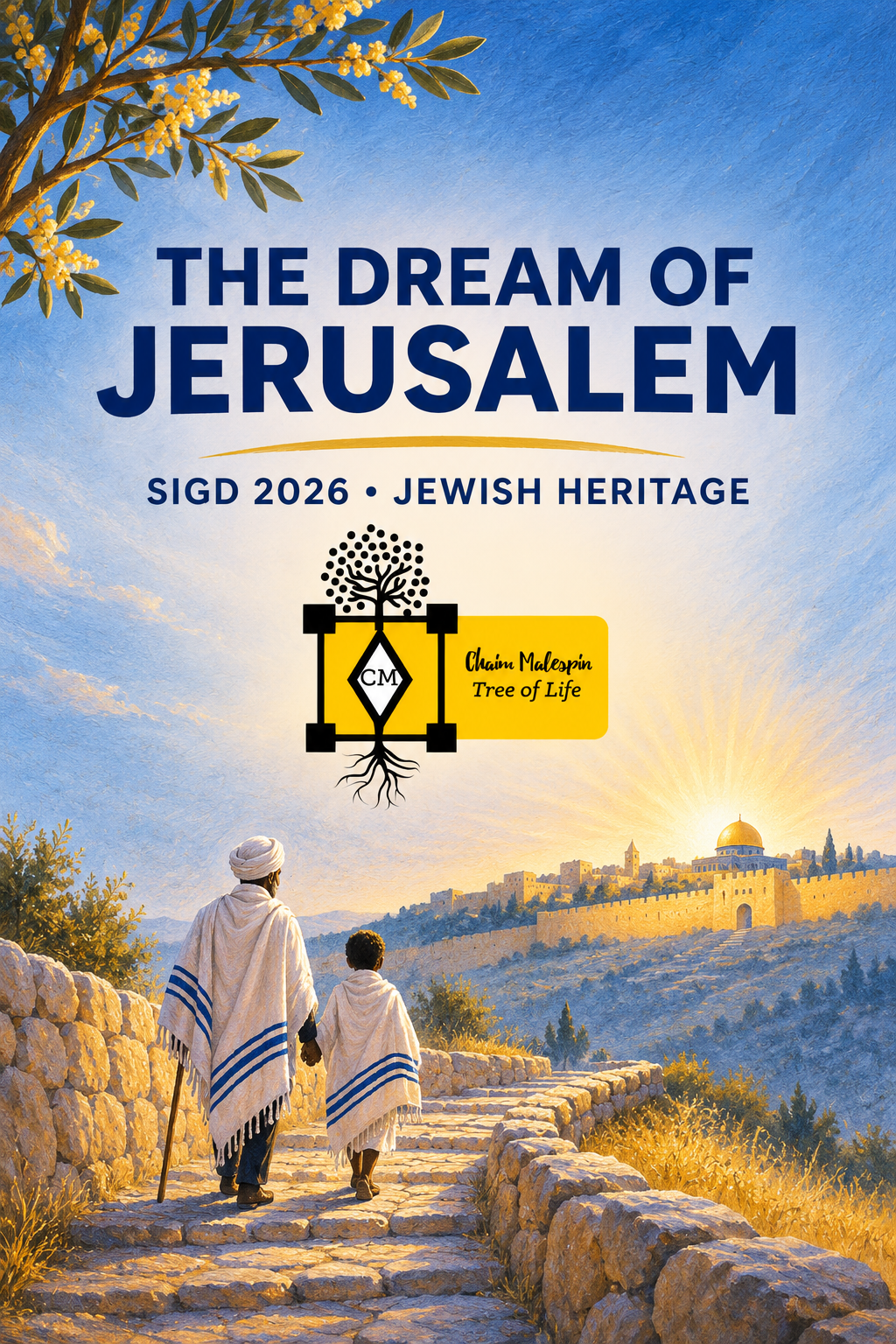
For generations, Ethiopian Jews prayed for a return to Zion, often without knowing whether they or their children would ever see Jerusalem.
Today, many of their descendants celebrate that same tradition in the land their ancestors dreamed of reaching.
Sigd is more than a religious observance. It is a powerful reminder of Jewish identity, collective memory, and the enduring connection between the Jewish people and the Land of Israel.
Sigd is a traditional holiday celebrated by Beta Israel, the Ethiopian Jewish community.
It takes place on the 29th day of the Hebrew month of Cheshvan, exactly 50 days after Yom Kippur.
In 2026, Sigd begins at sunset on November 8 and continues through November 9.
The holiday centers on three important themes:
Its traditions draw inspiration from the biblical books of Ezra and Nehemiah, which describe the Jewish people gathering to hear the Torah, reflect on their actions, and renew their commitment to their covenant.
For Ethiopian Jews, these ancient themes became part of a living tradition maintained across generations.
Imagine growing up in a Jewish community thousands of miles from Jerusalem.
You know the city through the prayers of your parents and grandparents. You hear about it through Scripture and the traditions passed down in your family.
But you have never seen it.
For generations of Ethiopian Jews, Jerusalem represented much more than a distant geographical destination.
It was a symbol of belonging, spiritual connection, and hope.
During traditional Sigd observances in Ethiopia, community members gathered on elevated ground, often ascending a mountain together.
Religious leaders known as Kessim led prayers, readings, and moments of reflection.
The community fasted, sought forgiveness, and renewed its commitment to Jewish tradition.
The mountain gathering also expressed a powerful collective aspiration: the hope of returning to Zion.
A tradition of longing became a tradition that could eventually be celebrated in Jerusalem itself.
Sigd remains an important part of Ethiopian Jewish cultural and religious life.
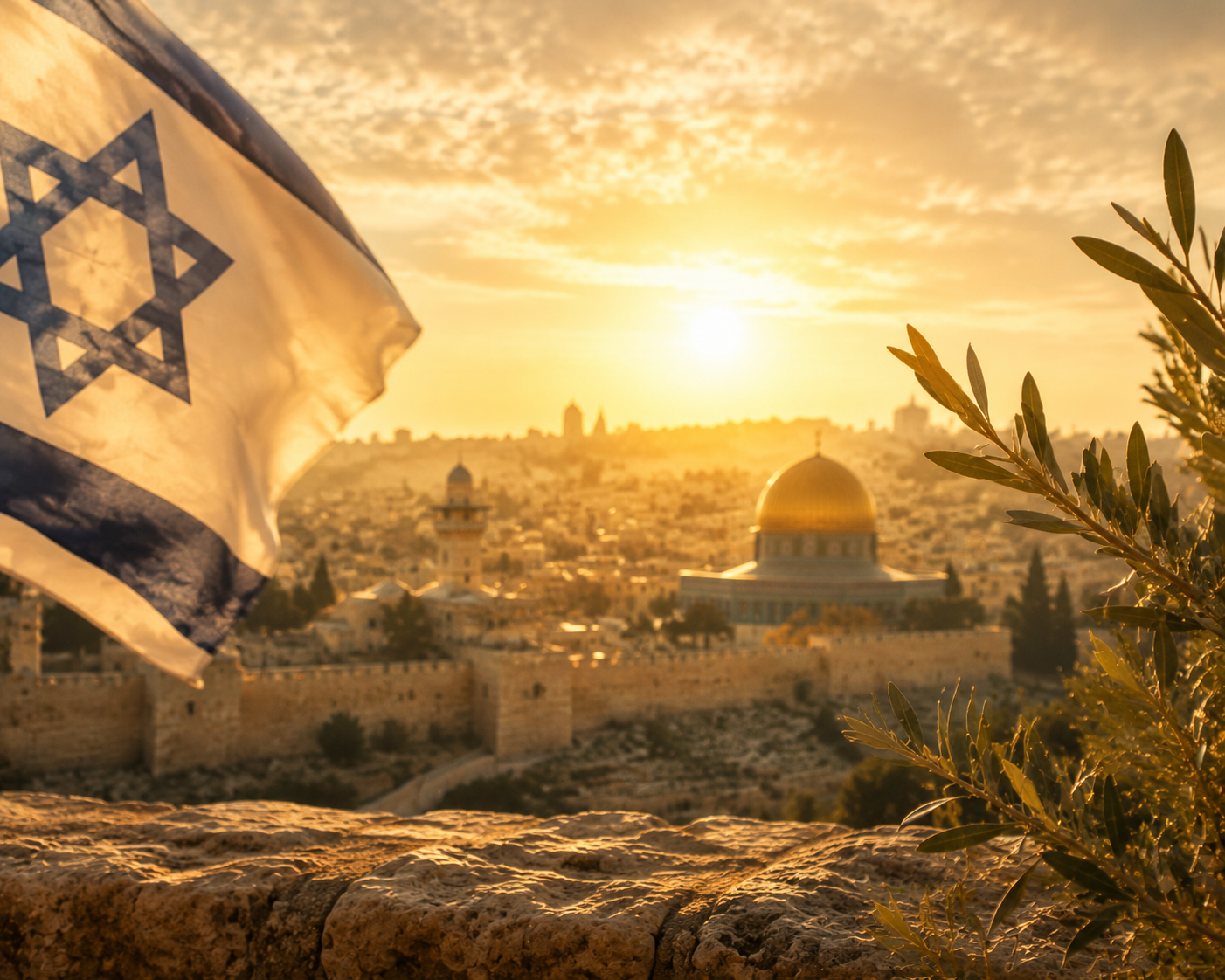
In Israel, one of its most significant annual gatherings takes place in Jerusalem.
Community members come together for prayers, traditional ceremonies, and celebrations that connect younger generations with the experiences of their ancestors.
For Sigd 2026, the Ethiopian Jewry Heritage Center announced the central prayer assembly at the Sherover Promenade near Armon Hanatziv in Jerusalem.
The November 9 program includes:
The location carries special meaning.
From Jerusalem, participants can celebrate a tradition shaped by generations who longed to reach the city.
In 2008, Israel formally recognized Sigd through national legislation, acknowledging its importance to Ethiopian Jewry and Israeli society.
Today, the holiday also provides an opportunity for Israelis from different Jewish backgrounds to learn about the remarkable diversity of Jewish traditions.
Jewish history is often told through familiar places: Jerusalem, Europe, North Africa, and the communities of the Middle East.
Yet the history of Ethiopian Jewry represents another essential chapter in the Jewish experience.
For centuries, Beta Israel preserved distinctive religious traditions, communal practices, and an enduring connection to the wider Jewish story.
The community's history also includes difficult journeys, separation, sacrifice, and the challenges of building new lives in Israel.
Making Aliyah — Jewish immigration to Israel — is a profound milestone.
But arriving is only the beginning.
New immigrants must navigate practical challenges such as housing, employment, language, education, and finding a community.
Their experiences remind us that Jewish return is not only a historical idea.
It is also a continuing human story.
Sigd offers an opportunity to reflect on questions that resonate throughout Jewish history.
What keeps a community connected to its identity across generations?
How do traditions survive when families live far from their ancestral homeland?
And what happens when a dream preserved through prayer becomes part of everyday life?
These questions are not limited to one Jewish community.
They speak to the broader experience of Jewish continuity, displacement, belonging, and return.
Sigd also reminds us why preserving the diverse traditions of Jewish communities matters.
Jewish identity has never been expressed through only one language, one culture, or one historical experience.
Its richness comes in part from the many communities that have carried their heritage forward.
The story of Ethiopian Jewry deserves to be understood, remembered, and shared.
The meaning of Sigd extends beyond the date on the calendar.
It reminds us that traditions connect people across time.
A prayer remembered by grandparents becomes a story told to grandchildren.
A journey imagined by one generation becomes a reality for another.
And a community that once looked toward Jerusalem from afar can now gather there to celebrate its heritage.
Sigd is a reminder that Jewish history is not only something we study. It is something people continue to live.
For those seeking to understand Israel more deeply, learning about communities such as Beta Israel offers an important perspective on the history, diversity, and resilience of the Jewish people.
From the ancient communities of the Galilee to the experiences of Jews making Aliyah today, Israel's history continues to shape the lives of its people.
Explore Chaim Malespin's educational work and discover more about Jewish history, identity, and the Land of Israel.
Explore Israel & the Nations: Past, Present, and Future
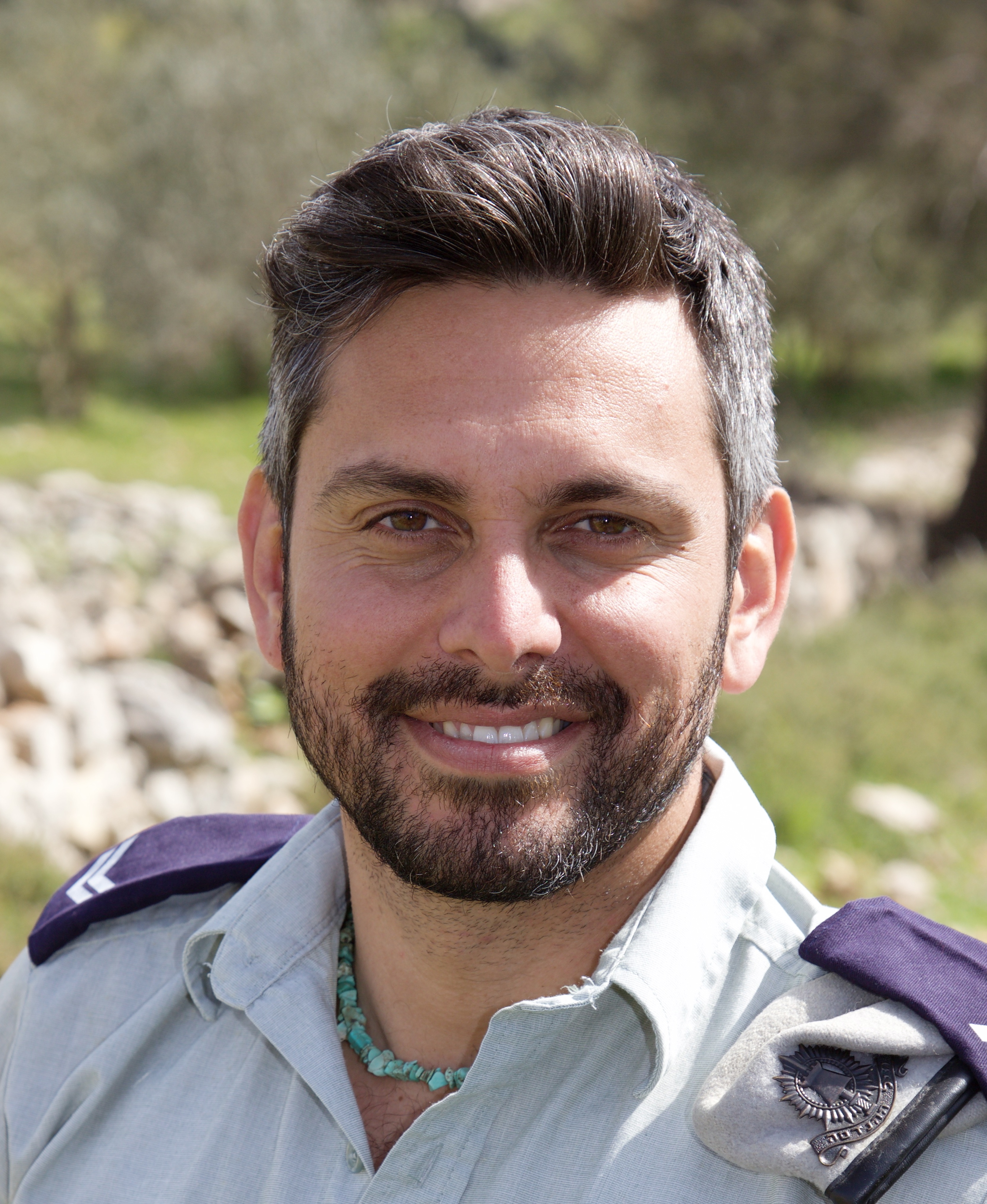
Chaim Malespin is a Jewish Israeli advocate, IDF veteran, humanitarian leader, and co-founder of the Aliyah Return Center. Based in Israel's Galilee, he shares insights into Jewish history, Aliyah, Israeli resilience, and humanitarian initiatives. Through public speaking, educational programs, and The Real Israel Podcast, Chaim connects international audiences with the people, history, and realities of Israel.
Learn More About Chaim Malespin