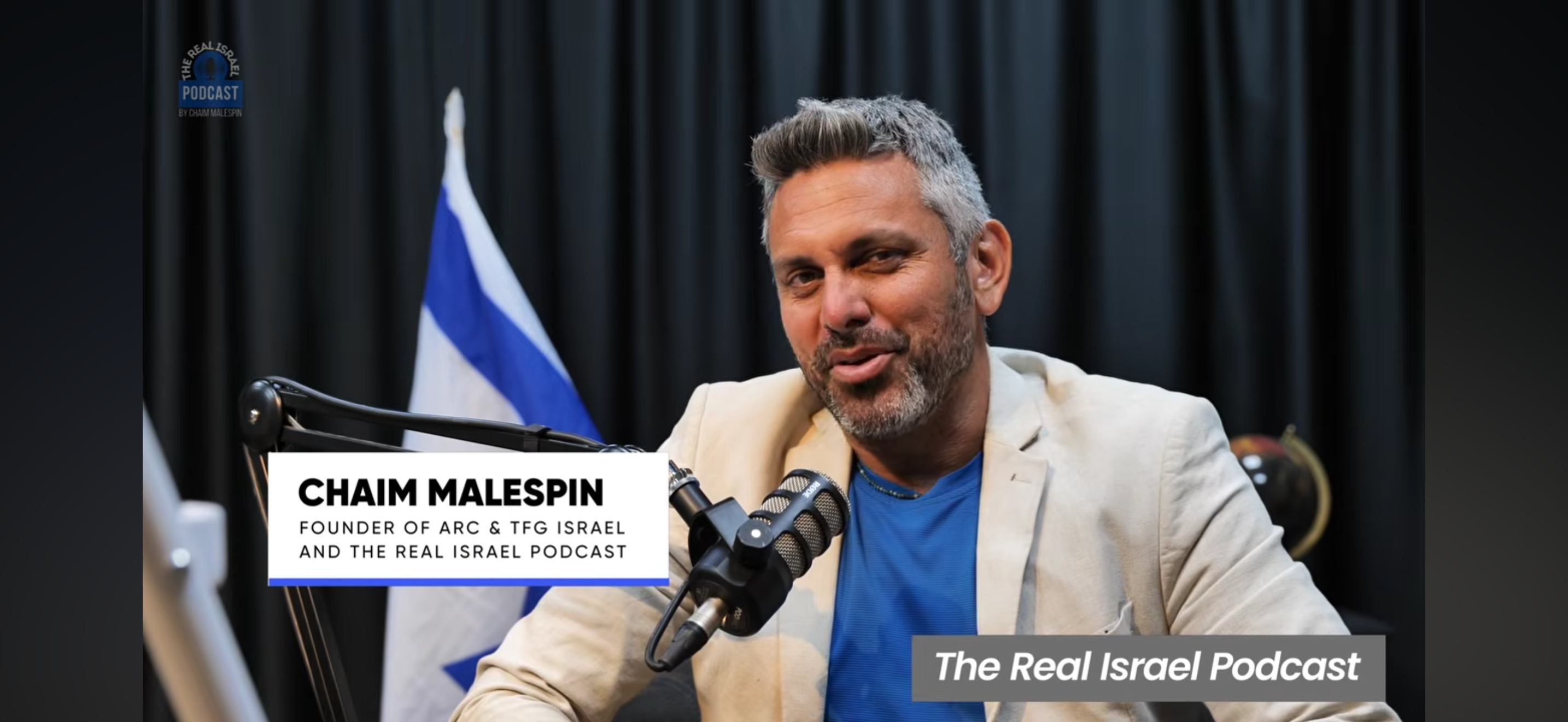
The Real Israel Podcast with Chaim Malespin
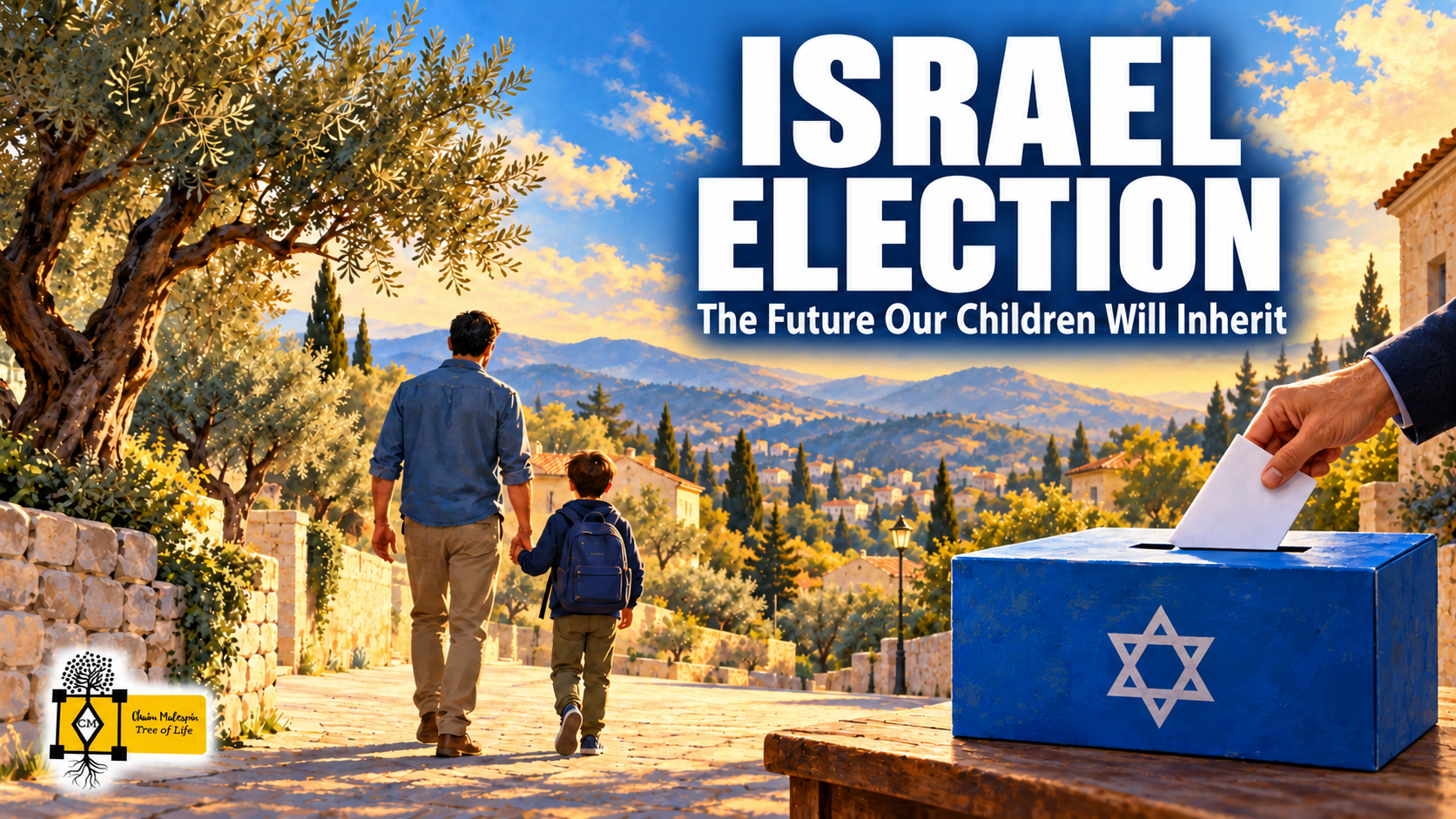
As Israelis head to the polls, one question looms larger than the election itself: What will the next Israeli government mean for the country's security and the future of the Middle East?
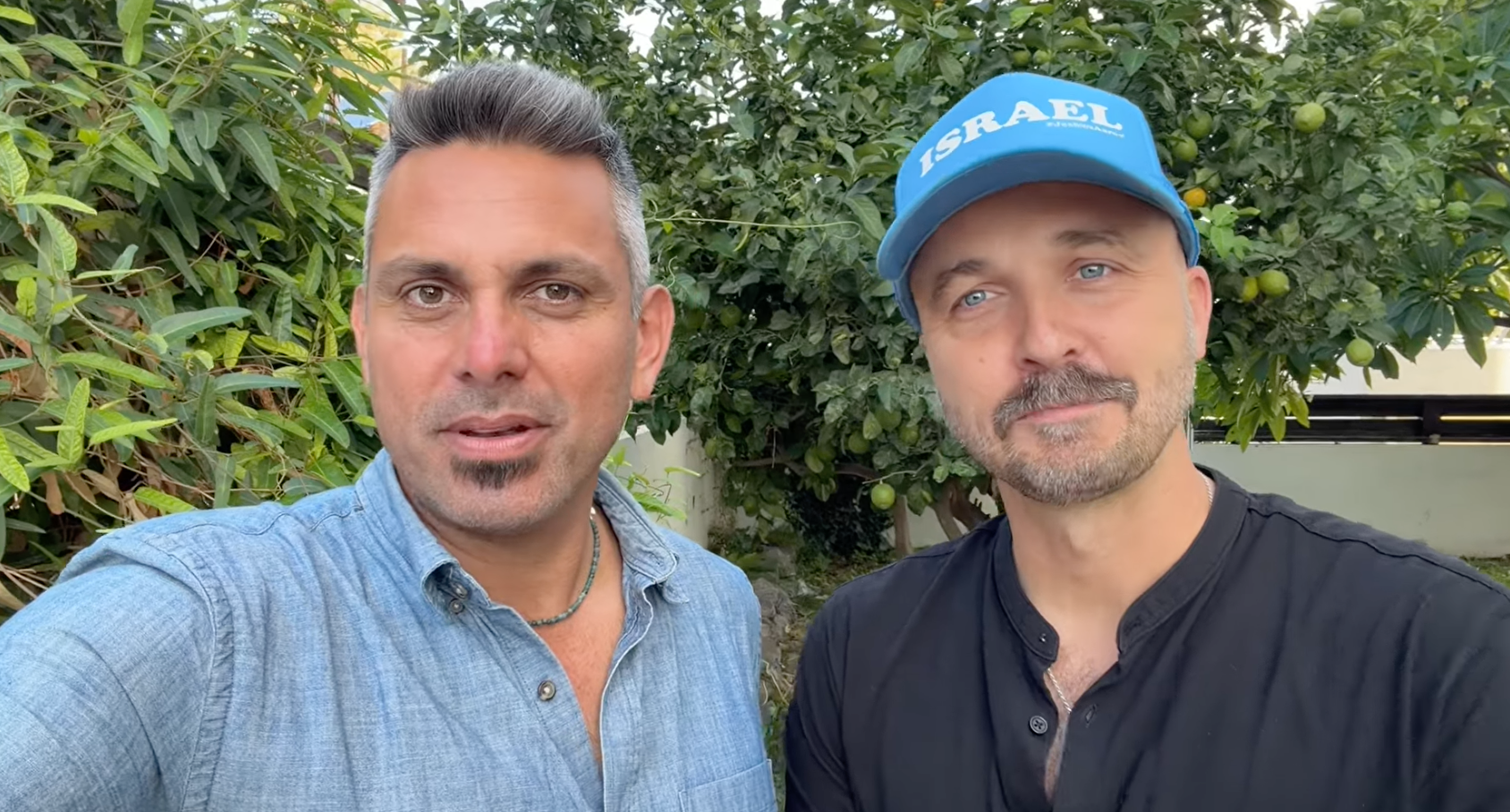
In a new episode of The Real Israel Podcast, Chaim Malespin welcomes renowned Middle East expert Dr. Mordechai Kedar for a direct conversation about Israel's elections, the Iranian threat, American military support, and the political decisions that could shape the region's future.
With decades of experience studying Arabic-language media, Middle Eastern societies, and regional politics, Dr. Kedar offers his perspective on how Israel is viewed across the Arab world, why coalition negotiations matter, and whether Iran's internal divisions could eventually threaten the regime.
The conversation takes place on Israeli election day, as the country faces critical decisions about its leadership and national security.
Chaim opens the conversation by asking Dr. Kedar how Tehran and the broader Arab world are interpreting Israel's elections.
Kedar describes two sharply different reactions in Arabic-language media.
On one side are voices that reject Israel's legitimacy as a Jewish state. On the other are commentators who recognize Israel's ability to hold competitive elections even during wartime.
He highlights the contrast between Israel's political system, where even a longstanding prime minister can be voted out, and countries where citizens have little power to replace their rulers.
For Kedar, this distinction shapes how Israel is perceived throughout the Middle East.
One of the most striking moments comes when Chaim asks whether Israel can independently launch another major operation against Iran.
Dr. Kedar answers directly:
"Israel cannot act in Iran without American permission, at least for the fuel in the air."
He explains his assessment of Israel's dependence on American aerial-refueling capabilities and why Washington's political calculations could influence future military operations.
The discussion then turns to the upcoming U.S. midterm elections and how a shift in congressional power might affect President Trump's ability to sustain another military campaign against Iran.

What will happen to Israel after the elections? Can Israel confront Iran without American support? Could the Iranian regime collapse from within? And how will the upcoming U.S. midterm elections influence the future of the Middle East?
In this episode of The Real Israel Podcast, Chaim Malespin sits down with Middle East expert Dr. Mordechai Kedar for a direct conversation about Israel's political future, regional security, and the critical decisions facing Israeli and American leaders.
From Israel's election results to the possibility of renewed conflict with Iran, this conversation explores the decisions that could shape the Middle East in the months ahead.
Watch the full 25-minute conversation to hear Dr. Mordechai Kedar's answers, analysis, and predictions.
▶ WATCH THE FULL EPISODE ON YOUTUBE
Discover more conversations on The Real Israel Podcast.