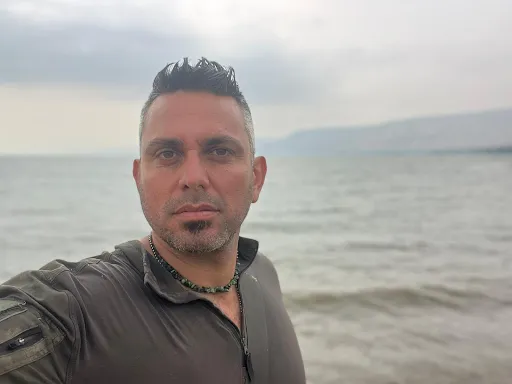
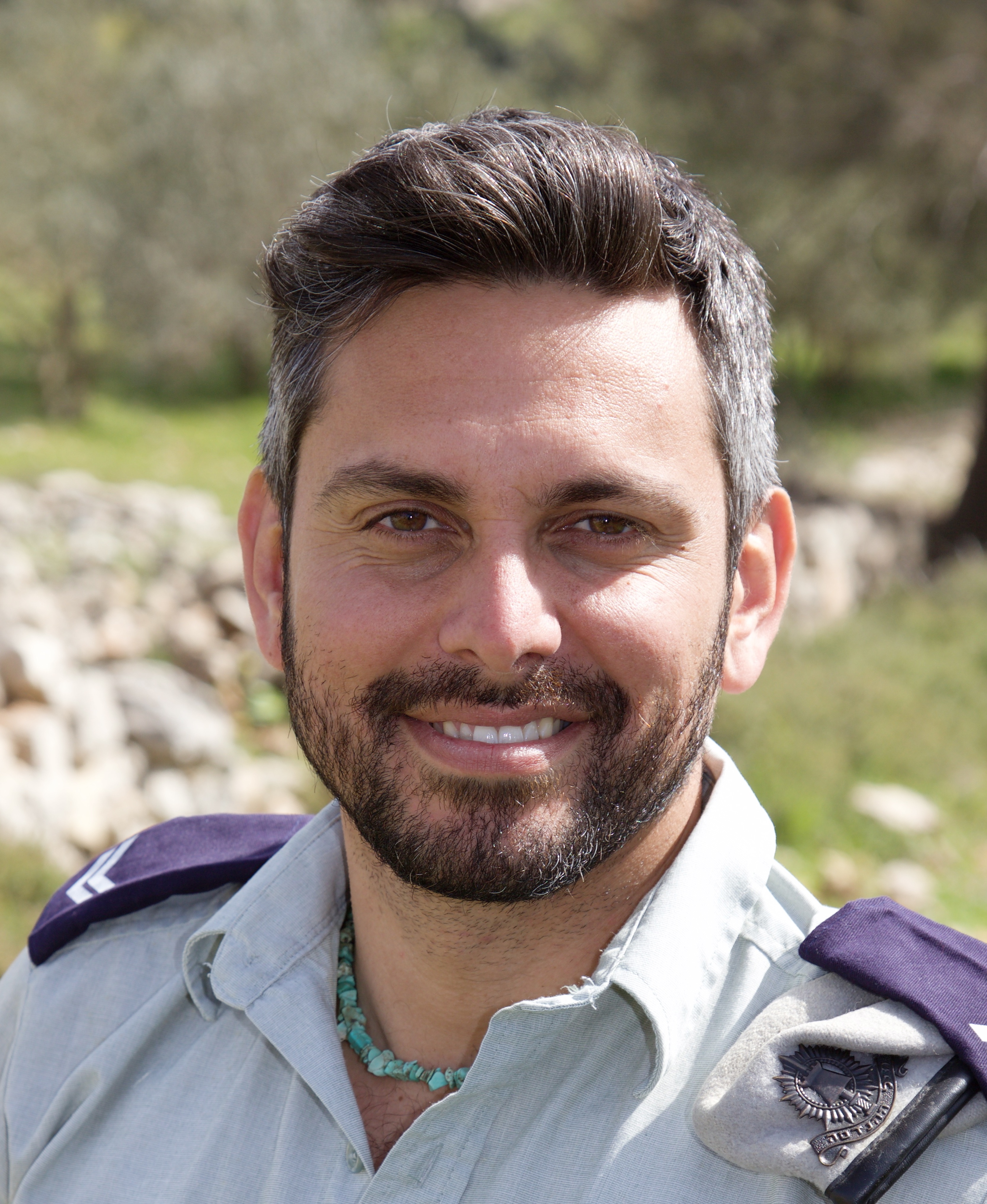
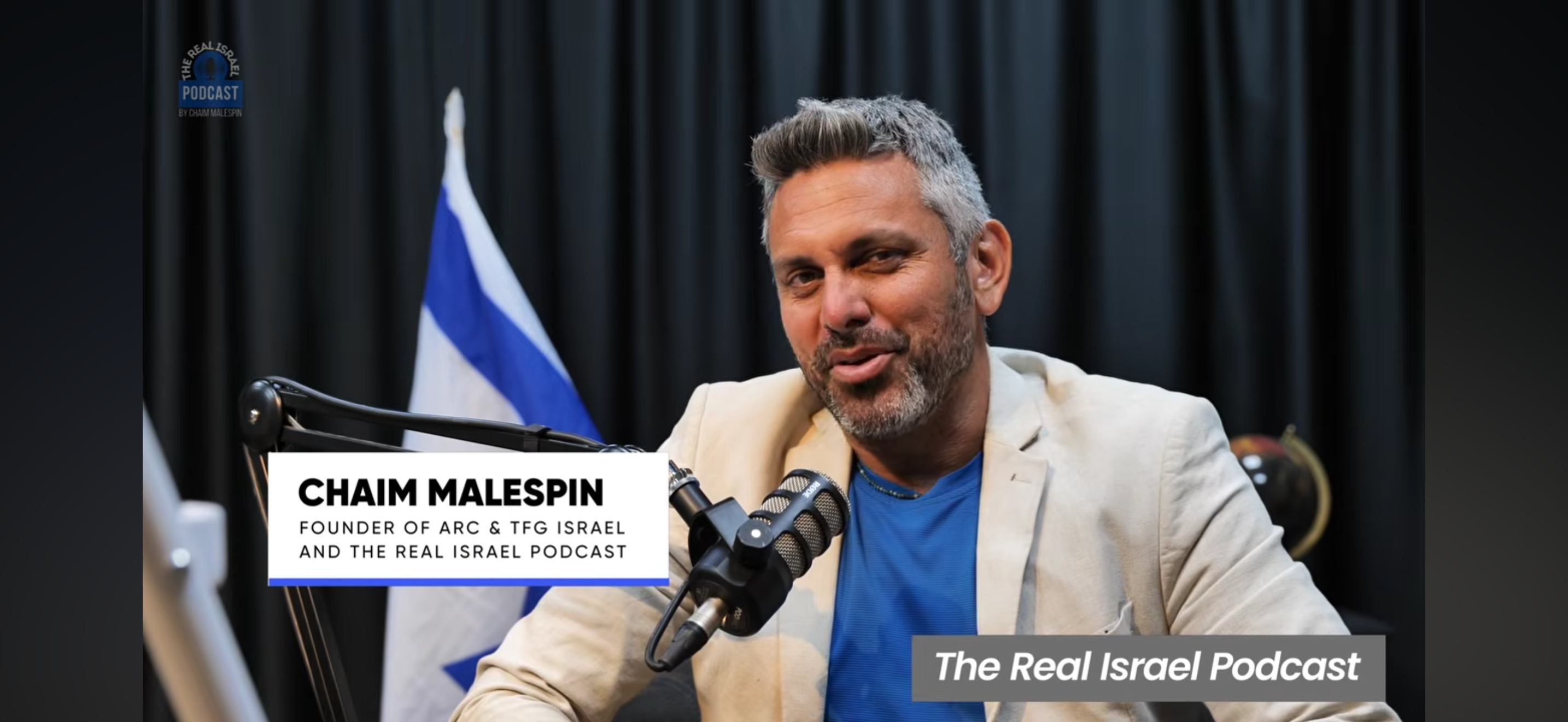
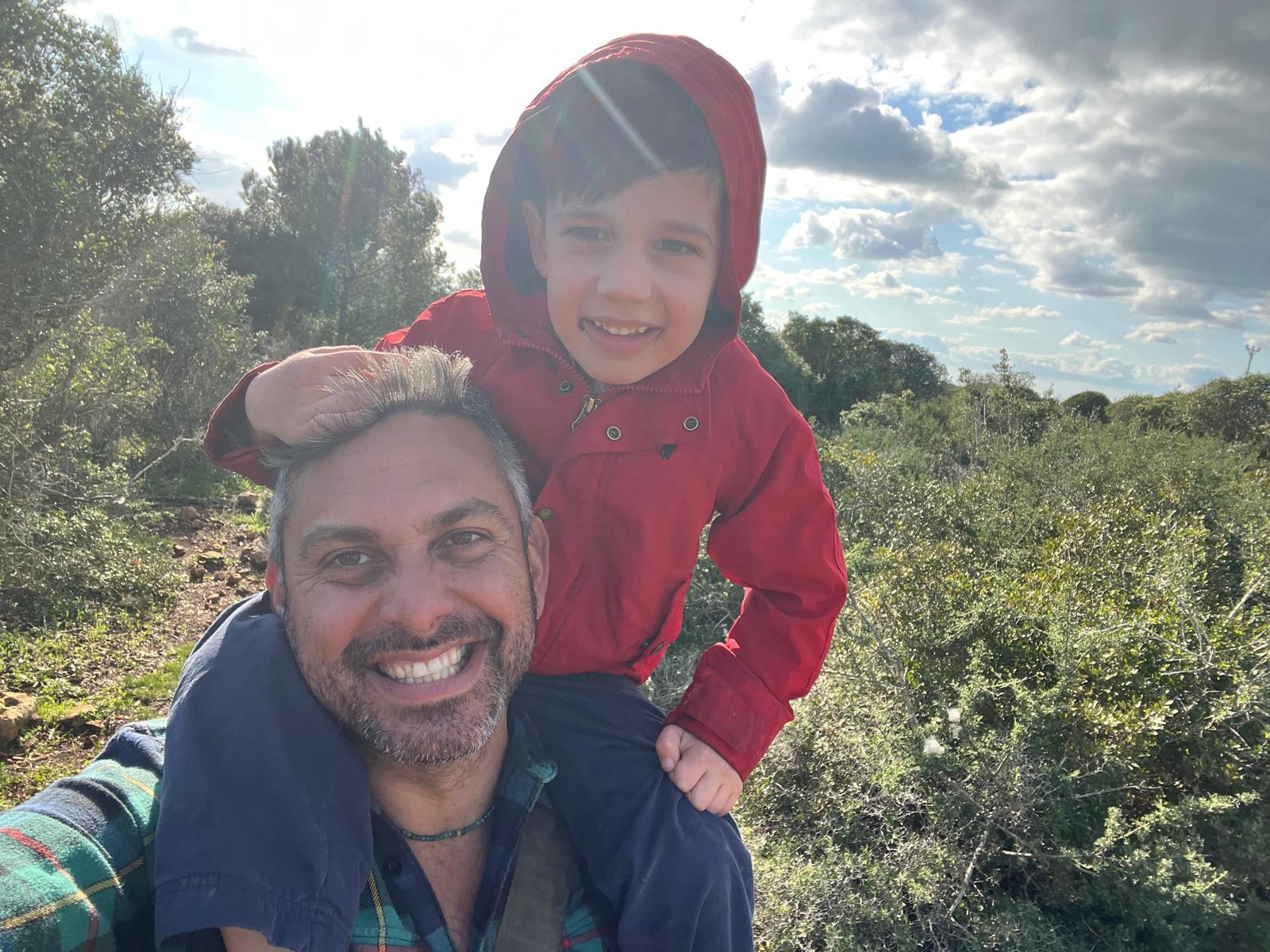
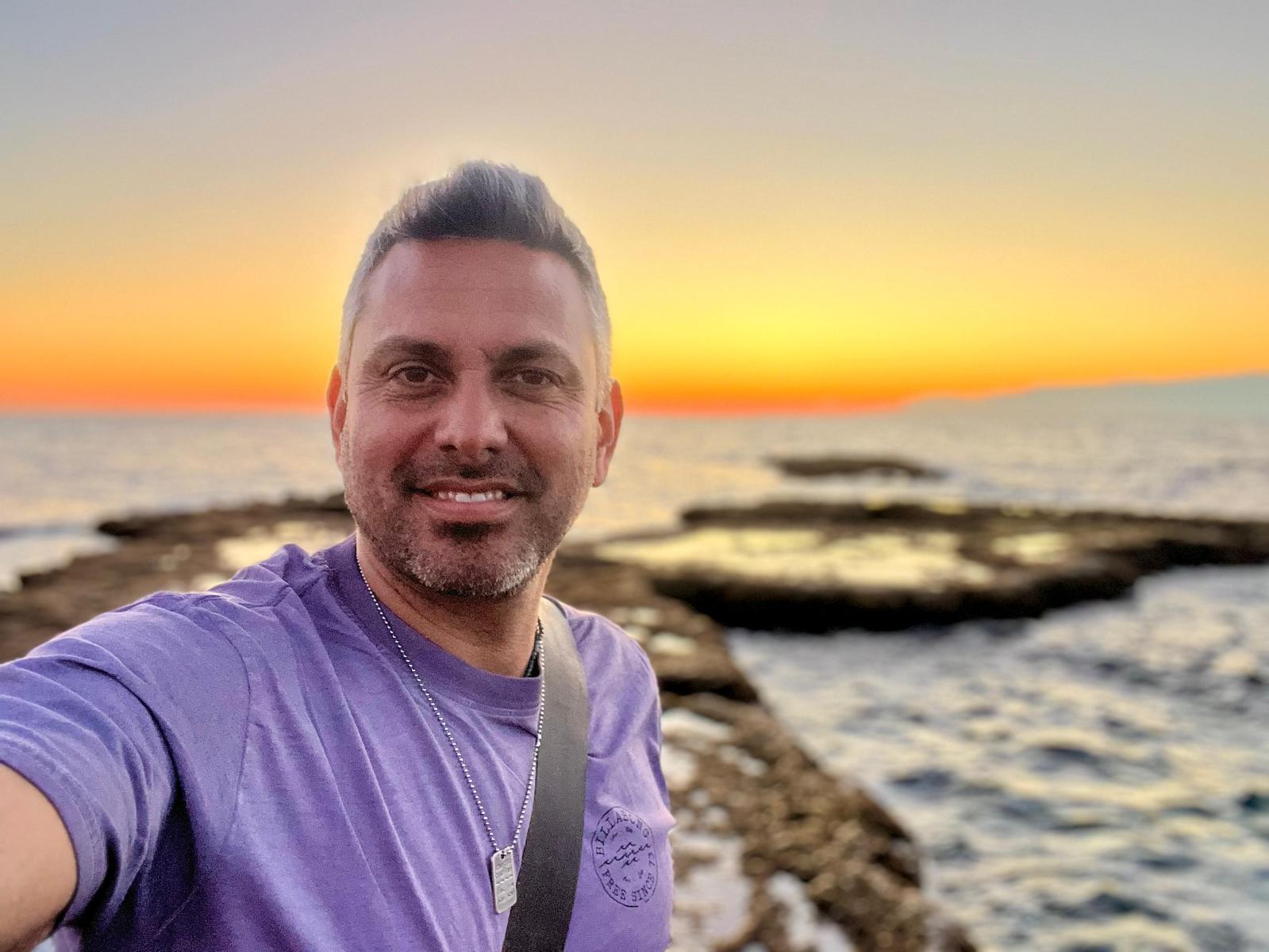
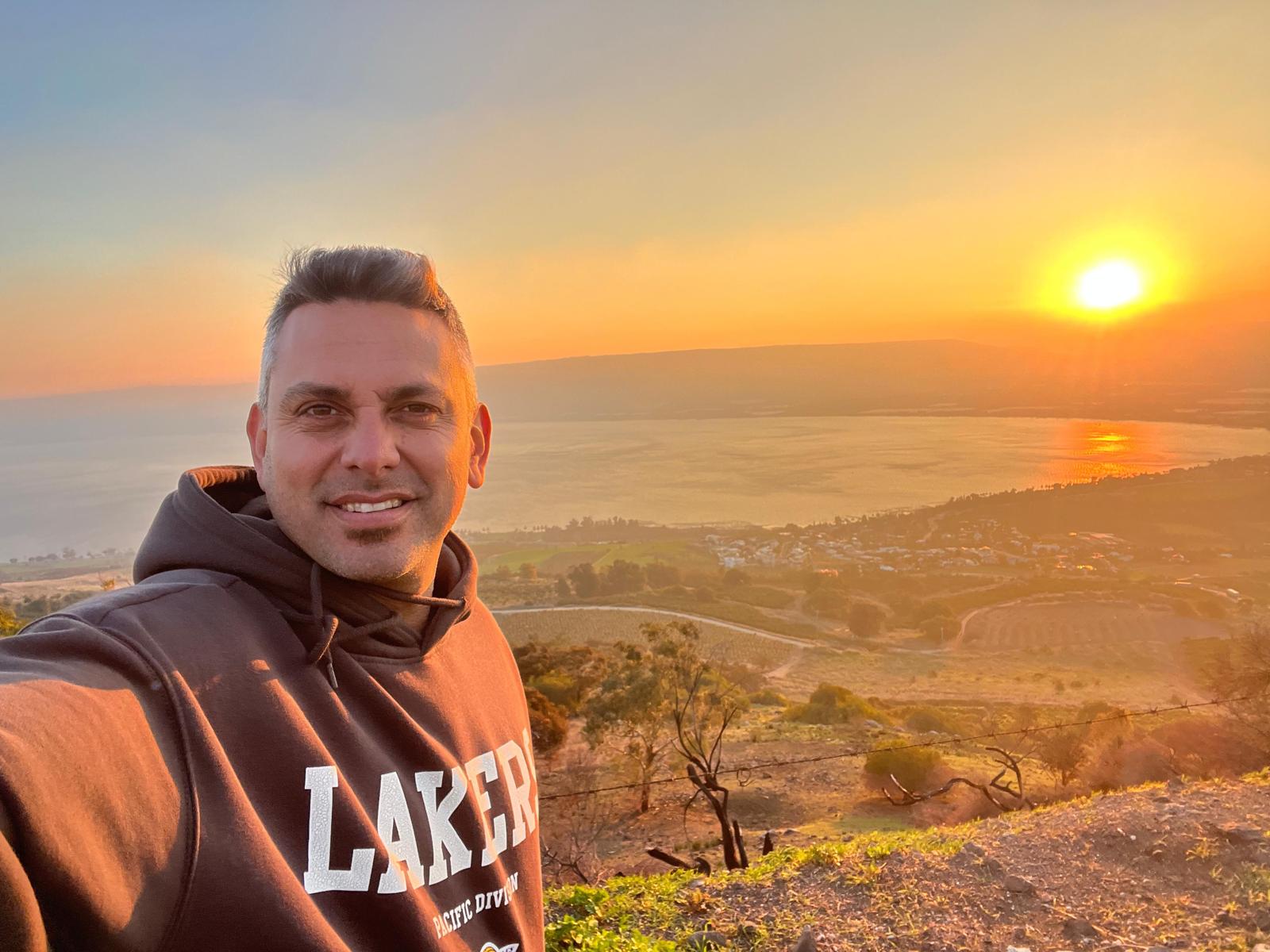
During a deeply personal visit to the memorial, Israeli humanitarian leader and IDF veteran Chaim Malespin walks through the grounds where festivalgoers had gathered to celebrate music, friendship, and life.
His message is simple, but profoundly important: Behind every number is a human being.
This is not merely a walk through the site of a tragedy. It is an invitation to remember the individuals whose lives were taken, to honor those who tried to save others, and to consider what remembrance asks of us today.
On the morning of October 7, 2023, thousands of young people were attending the Nova music festival near Kibbutz Re'im.
What began as a celebration became one of the deadliest sites of the Hamas-led attacks on southern Israel.
Festivalgoers attempted to escape as armed attackers approached. Some fled across open fields. Others hid in shelters, vehicles, and nearby structures.
Hundreds of people were murdered at the festival and along surrounding escape routes.
Today, the memorial grounds tell their stories.
Walking among the displays, Chaim points to the photographs and names left by grieving families. What began as personal acts of remembrance gradually became a larger memorial landscape.
The signs are not all identical. The stories are not interchangeable.
Each person was unique.
And that is precisely what makes this place so powerful.
Early in his visit, Chaim asks viewers to look beyond the scale of the tragedy.
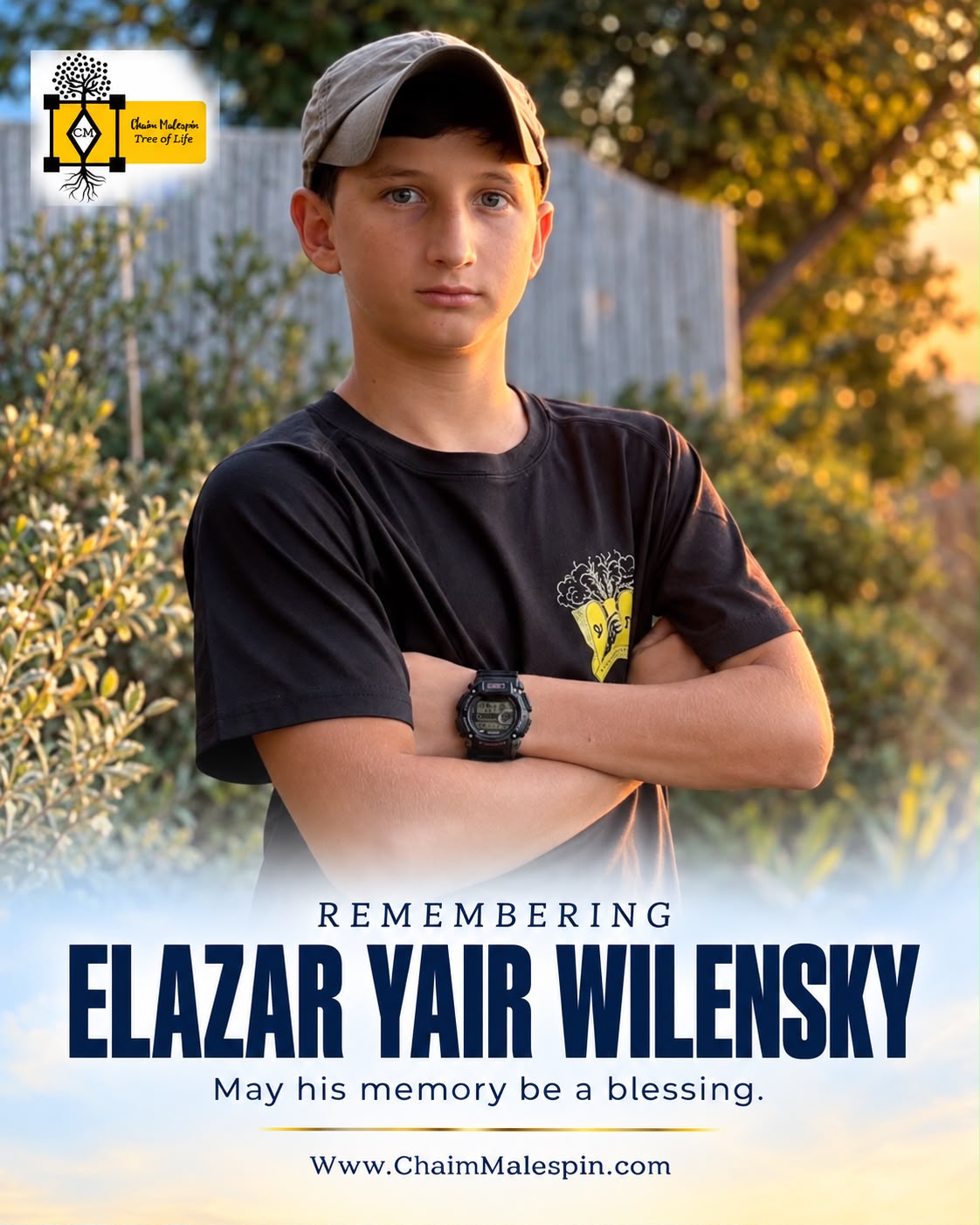
He urges them to remember a single face and recognize the human life behind it.
Someone who had a mother or father.
Someone who had brothers, sisters, friends, and people who loved them.
Someone who dreamed of becoming a doctor, getting married, raising children, traveling, or simply returning home after a night of music.
The tragedy of October 7 cannot be understood through numbers alone.
Every photograph represents a person whose absence continues to shape the lives of those left behind.
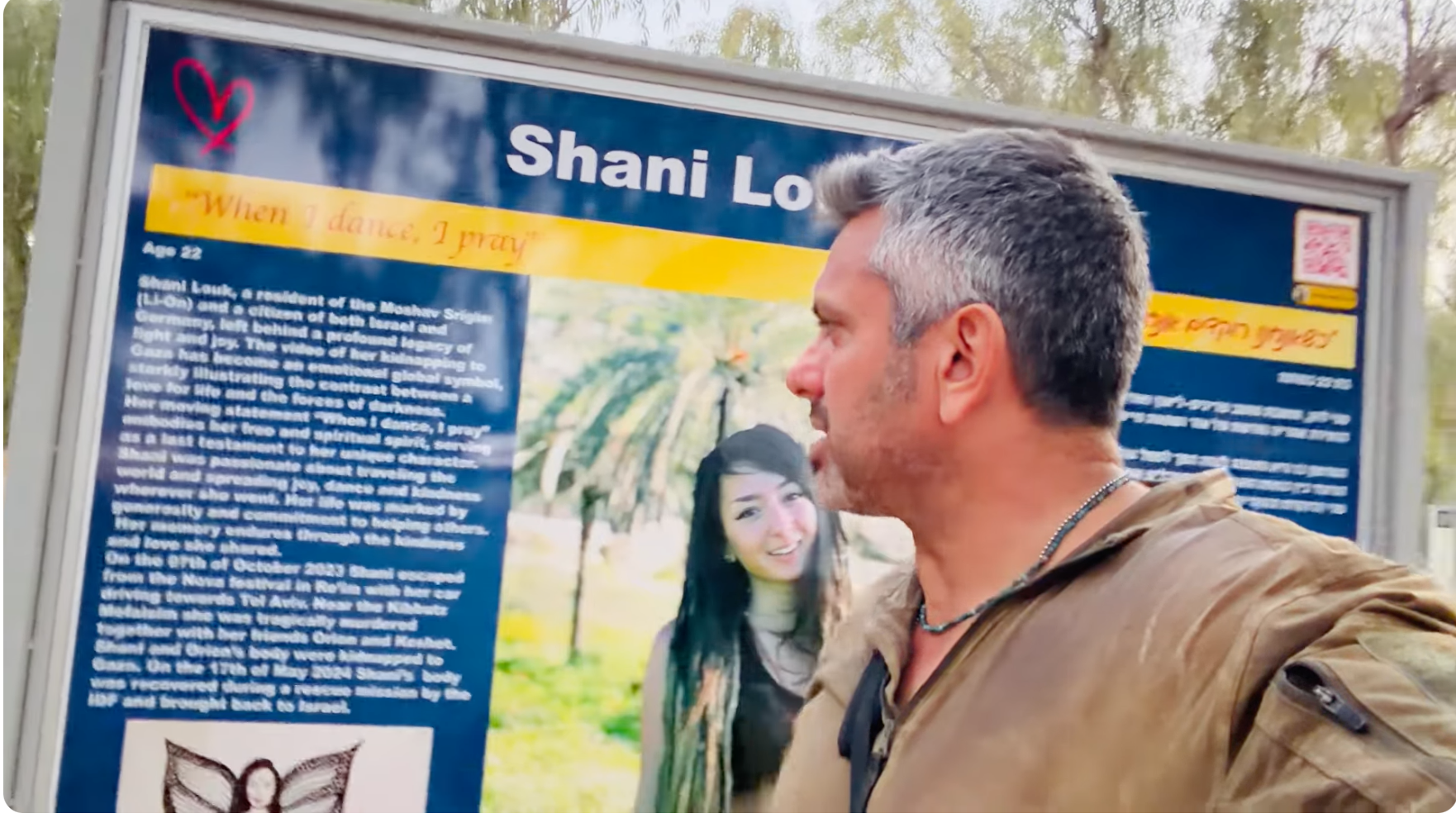
One of the memorial displays honors Shani Louk, a 22-year-old German-Israeli woman whose name became internationally known following the October 7 attack.
Shani's life was filled with creativity, movement, music, and an expressive love of dance.
Her memorial includes a phrase that captures that spirit:
“When I dance, I pray.”
Standing beside her photograph, Chaim repeats those words.
It is a moment that brings the human meaning of the memorial into focus.
Shani was more than an image circulated around the world. She was a young woman with her own personality, relationships, passions, and dreams.
Her story reminds us why the victims must be remembered for how they lived, not only for how they died.
Throughout the visit, Chaim recalls some of the most painful locations associated with the attack.
He speaks about an ambulance struck by a rocket-propelled grenade, killing those inside.
He remembers the festival grounds, the dance area, and the places where people desperately sought shelter.
He also describes the disturbing scenes he encountered in the aftermath of the massacre.
These memories remain vivid.
For Chaim, who has served in the Israel Defense Forces during multiple conflicts, the events of October 7 are not simply a chapter in Israel's recent history.
They are part of a lived experience of service, loss, and responsibility.
Yet his visit is not focused solely on destruction.
It is also about the courage of ordinary people who attempted to protect others under unimaginable circumstances.
Chaim recalls the story of Aner Shapira, a young Israeli who helped protect people sheltering from attackers near the festival.
As grenades were thrown into the shelter, Aner repeatedly threw them back outside, risking his life to protect those around him.
He was ultimately killed during the attack.
His actions became a powerful example of courage and self-sacrifice.
At the Nova memorial, stories like Aner's stand alongside the names of those who were murdered.
They remind visitors that even amid extraordinary violence, individuals made extraordinary choices to help others.
One of the most moving aspects of the Nova memorial is how it developed.
As Chaim explains during his walk, families and loved ones initially began bringing photographs and personal tributes to the site.
They wanted visitors to know who their children, siblings, and friends had been.
Over time, these individual acts of remembrance grew into a broader commemorative effort, with artistic and organizational support.
The resulting displays preserve more than names and dates.
They preserve fragments of personality, family history, and the ordinary moments that made each life meaningful.
The memorial is not a cemetery.
It is a place where people can encounter the lives that were lost, reflect on the events of October 7, and carry those stories forward.
As the sun begins to set, Chaim turns to Psalm 27.
For him, Scripture provides a language through which to confront fear, suffering, and uncertainty without surrendering hope.
He reflects on the opening declaration:
“The Lord is my light and my salvation; whom shall I fear?” — Psalm 27:1
These words hold particular meaning during a period marked by war, loss, and continuing uncertainty.
Chaim also reflects on the psalm's call to courage and trust.
“Hope in the Lord; be strong, and let your heart take courage; hope in the Lord.” — Psalm 27:14
His message is not that faith eliminates grief.
Rather, faith can provide strength while grief remains.
There must be room for tears.
There must be room to mourn.
And there must also be room for hope.
In his reflection, Chaim describes the importance of remembering those who died while continuing to protect life, care for survivors, and support families living with loss.
The Nova Festival massacre is part of Israel's history, but its human consequences continue long after the attack itself.
Families continue to carry the absence of loved ones.
Survivors live with memories of what they experienced.
Communities continue the difficult work of recovery and rebuilding.
For those watching from outside Israel, remembrance also offers an opportunity to understand the people behind the headlines.
It asks us to listen to their stories and resist reducing human suffering to political arguments or anonymous statistics.
Chaim's visit makes this responsibility personal.
To remember is to recognize that every life mattered.
To honor the victims is to preserve their names, their stories, and the humanity that violence attempted to erase.
Join Chaim as he walks through the memorial grounds, reflects on the victims' lives, remembers acts of courage, and offers a prayer for those who continue to mourn.
Watch the full eight-minute video:
Near the conclusion of his visit, Chaim offers a prayer for the bereaved, survivors, and those caring for them.
He asks for comfort, courage, wisdom, and the strength to continue protecting life.
It is a fitting conclusion to a visit defined by grief, remembrance, and faith.
The photographs at the Nova memorial are reminders of lives that should have continued.
Their stories deserve to be told with dignity.
Their names deserve to be remembered.
And their families deserve compassion, care, and enduring support.
May their memories be a blessing.
Chaim Malespin is an Israeli humanitarian leader, IDF veteran, public speaker, and co-founder of the Aliyah Return Center. Through his writing, videos, and educational work, he shares stories of Israel, Jewish identity, faith, resilience, and the people behind the headlines.
Continue exploring Israel's stories at ChaimMalespin.com.