Aliyah is often translated as “immigration to Israel.” The Hebrew word also means “ascent”. For Jews who make Aliyah, the term can hold both meanings: a move to a place and a connection to a people, a history, and a shared future.
But Aliyah is not complete when a plane lands. A new beginning also takes shape in ordinary moments: learning a route, finding a home, speaking a new language, and meeting the people who will become part of daily life.
In modern usage, Aliyah refers to Jewish immigration to Israel. The word is rooted in the idea of going up or ascending, and it has long been used to describe the return of Jews to the Land of Israel. Each person or family brings a different story, set of hopes, and reason for making the move.
The process is also practical and legal. Eligibility and documentation are determined under Israeli law, and details can depend on an individual’s circumstances. People considering the move should confirm current requirements with the Jewish Agency for Israel or the relevant Israeli authorities.
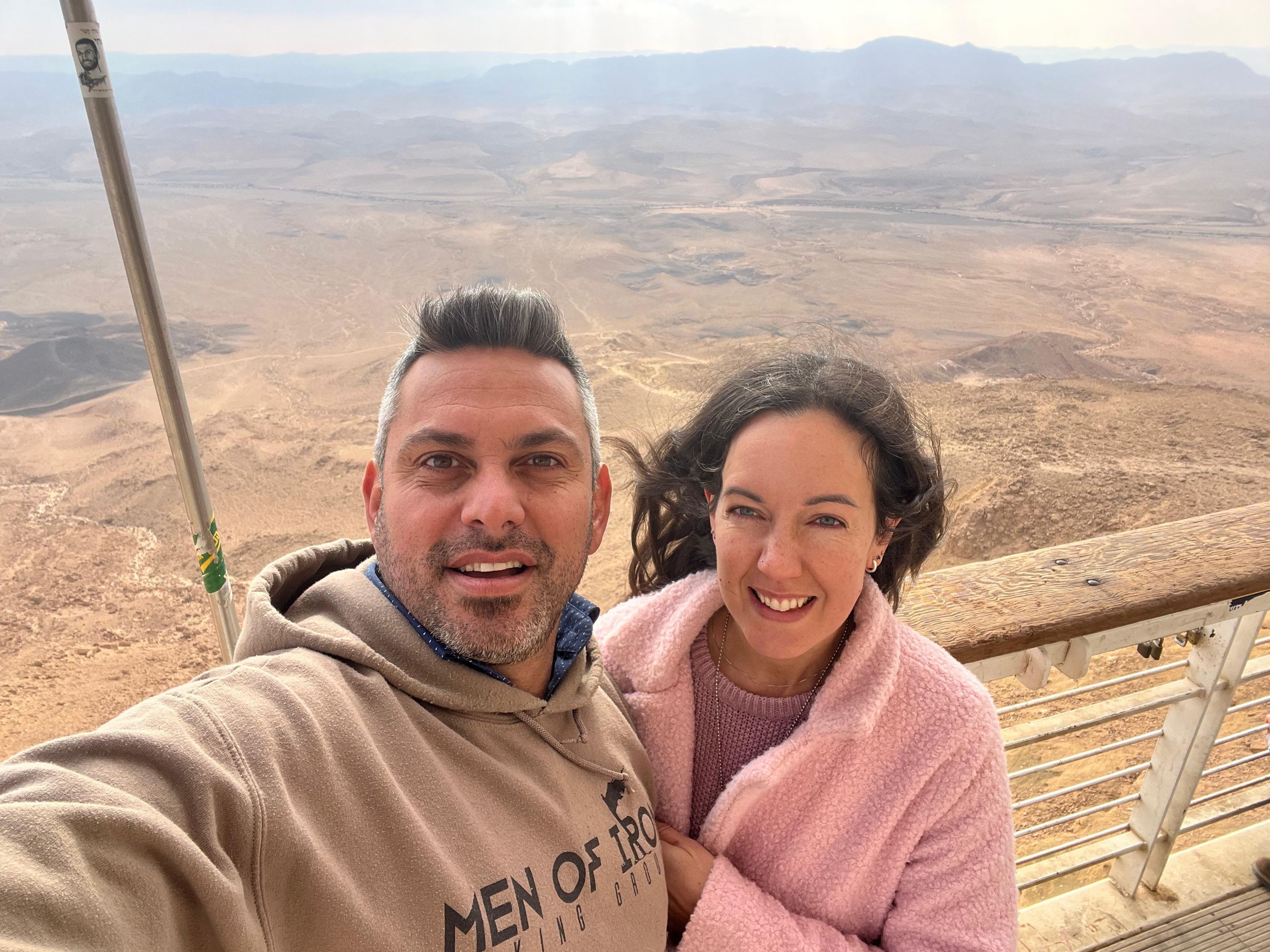
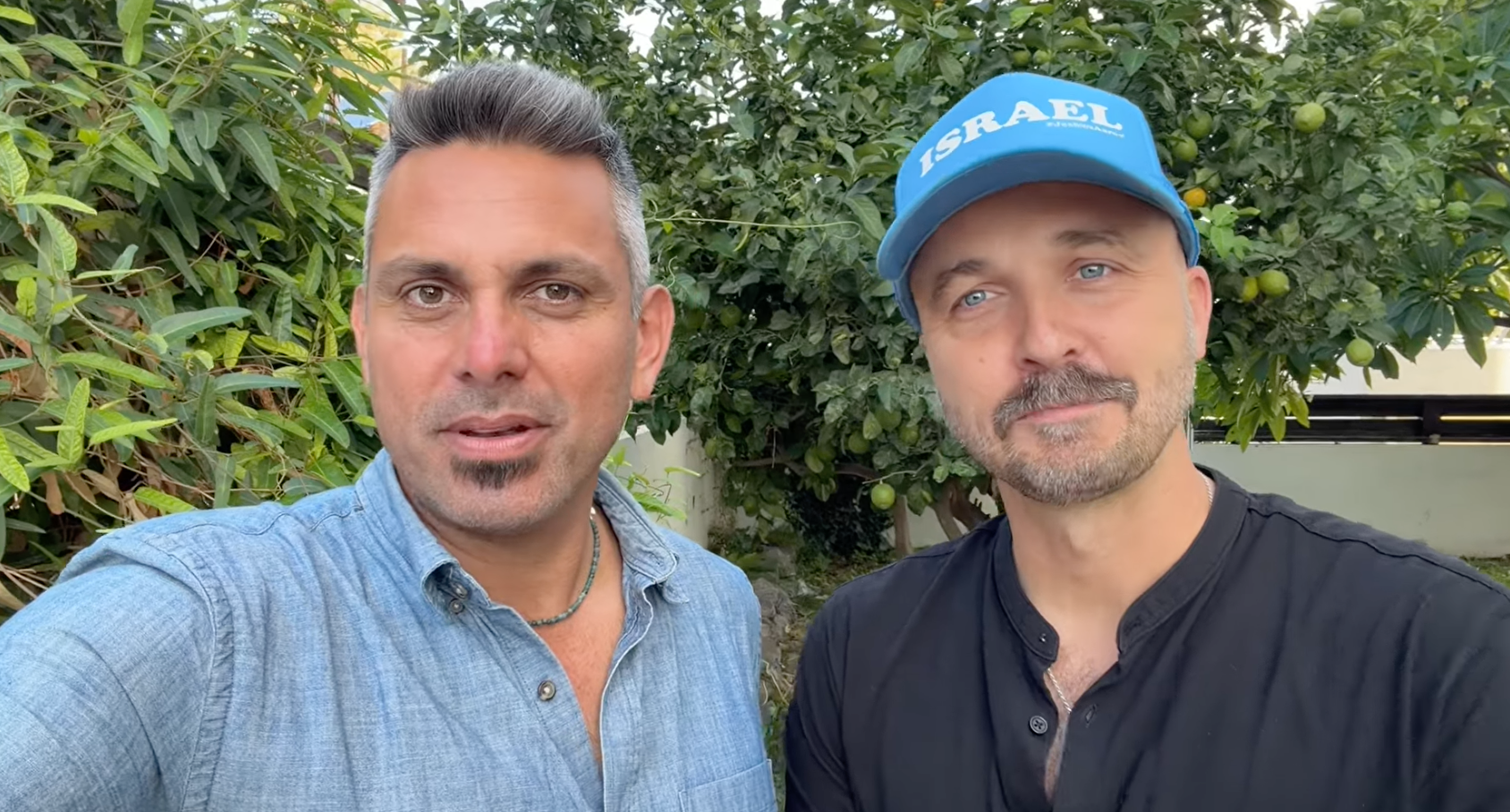
Chaim Malespin made Aliyah with his family as a teenager, moving to Israel in 1999. That experience later informed his work with the Aliyah Return Center, which supports new immigrants as they establish roots in the Galilee.
His story is one example of a wider Jewish experience. Every Aliyah journey is personal, yet each becomes part of the continuing story of Jewish life in Israel. The decision to move may begin with identity or family history; the work of settling in is made of daily choices and relationships.

Making a home involves more than finding an apartment. New immigrants may need to navigate Hebrew study, work, housing, public services, and the challenge of building a community in an unfamiliar place. The questions differ from one household to another, and support needs can change over time.
The Jewish Agency describes Aliyah and integration as a process that includes preparation, arrival, and support in areas such as employment, Hebrew studies, and housing. Israel’s Ministry of Aliyah and Integration also publishes current guidance on new immigrants’ rights and services. Because eligibility and benefits can change or depend on individual circumstances, readers should check the official guidance directly.
Organizations on the ground can also help with practical needs. In the Galilee, the Aliyah Return Center describes work that includes temporary housing, Hebrew instruction, and employment training for new immigrants. These services address a key part of the Aliyah story: helping people build stability after the decision to move.
Aliyah is both a historic idea and a lived experience. The word carries meaning, but its impact is shaped through the daily work of creating a life: learning, adapting, finding support, and forming new connections while staying rooted in Jewish identity.
For anyone considering Aliyah, reliable information and personal guidance matter. Begin with official sources for eligibility and rights, then learn about the communities and organizations that support newcomers where they plan to live.
The Aliyah Return Center’s immigrant support work offers an example of practical assistance for Jewish newcomers building roots in Israel.