Around the world, millions of people want to stand with Israel. They follow the news, pray for the country, challenge antisemitism and express solidarity with the Israeli people.
But international support becomes especially meaningful when it is transformed into practical action.
In Israel’s Jordan Valley and northern communities, a developing initiative demonstrates how international relationships, local knowledge, trained volunteers and advanced technology can work together. The project is helping strengthen local security and emergency preparedness through drone training, specialized equipment and cooperation with regional security and rescue representatives.
For Chaim Malespin, this is a natural continuation of a mission he has pursued for years: building bridges between Israel and the nations and helping those relationships create a lasting impact inside Israel.
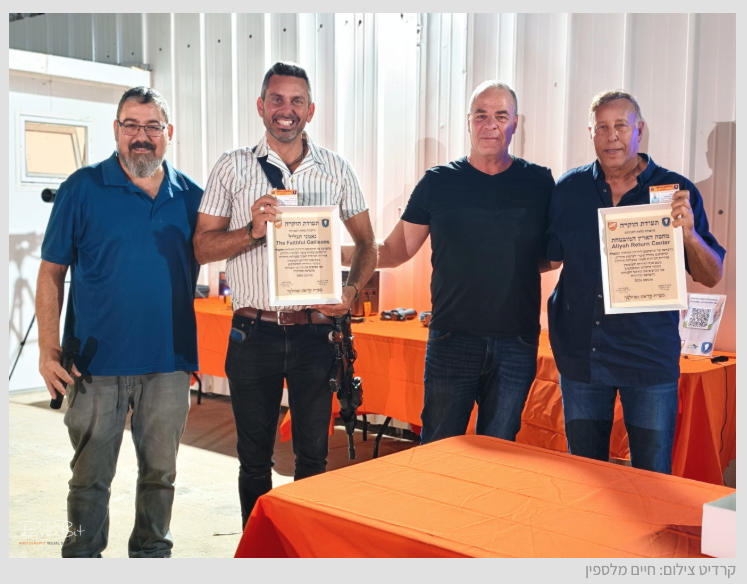
Chaim’s international work has never been limited to explaining Israel’s story. Through the Aliyah Return Center and Faithful Galileans, he has worked to connect supporters of Israel with the people, communities and realities of the country.
The Aliyah Return Center assists Jewish immigrants as they establish new lives in Israel. Its work includes practical support such as food, clothing, furniture, housing assistance, Hebrew-language learning and professional training.
Faithful Galileans focuses on education, volunteering and advocacy. It provides opportunities for international supporters to experience Israel directly, serve local communities and return home with a deeper understanding of the country.
Together, these organizations connect global support with local needs.
The latest initiative in the Jordan Valley takes this model one step further. It channels relationships, resources and volunteer commitment into a program designed to strengthen the people who may be among the first to respond when a security incident or emergency occurs.
After approximately 1,050 consecutive days of service and deployment as part of Israel’s ongoing security effort, Chaim recognized that the threats facing Israel could not be understood by looking only at Gaza or the northern border with Lebanon.
The Jordan Valley is also strategically important. Its communities are located along Israel’s eastern frontier, where residents and local security teams must remain alert to attempted border crossings, damage to security barriers and the smuggling of drugs or weapons.
The geography of the area creates additional challenges. Some locations are remote or difficult to access quickly, making strong local response systems particularly important.
Chaim concluded that supporting these communities required more than concern. It required appropriate equipment, trained people and cooperation with those who understand the region.
One of the project’s principal areas of focus is drone technology.
Drones can provide an aerial view of locations that may be difficult or time-consuming to inspect from the ground. When operated by trained personnel and coordinated with the relevant authorities, they can support observation, help examine possible security incidents and improve situational awareness.
However, the value of this technology extends beyond border security.
Drones can also help search for missing people, examine difficult terrain and support emergency-response operations following a natural disaster.
This dual purpose is especially relevant in the Jordan Valley. The region lies along the Syrian-African Rift and must prepare for the possibility of a significant earthquake. Following such a disaster, damaged roads and collapsed buildings could make it difficult for rescue teams to determine where assistance is most urgently needed.
Observation and thermal-imaging drones may help responders survey affected areas and identify signs of people trapped beneath debris. Information collected from the air can help rescue teams make faster, better-informed decisions on the ground.
Technology, however, is only effective when trained people are ready to use it.
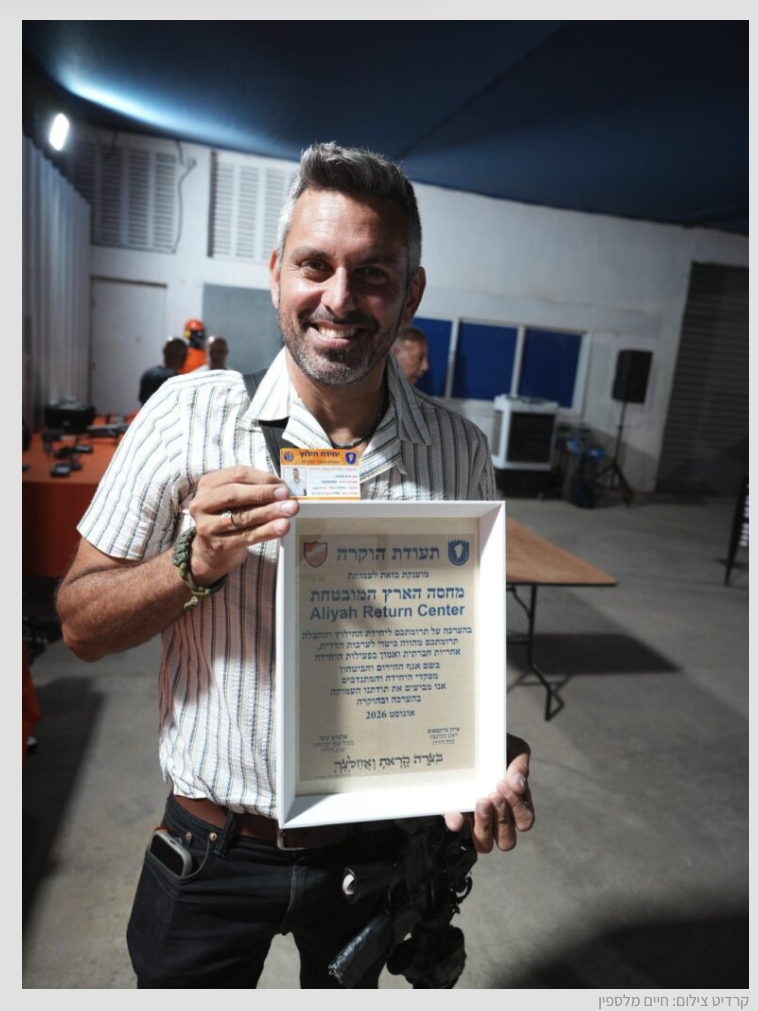
A central part of the initiative is the training and equipping of local volunteers.
These volunteers are members of the communities they serve. They understand the roads, fields, villages and terrain around them. When an emergency occurs, they may be among the first people available to respond while additional professional teams make their way to the location.
Through specialized drone training, volunteers are developing practical skills that may support security, search-and-rescue work and emergency assessment.
Their willingness to accept responsibility is what gives the technology its real value. A drone stored without a trained operator cannot help assess an incident or search for a missing person. Equipment must be combined with knowledge, coordination and human commitment.
The initiative therefore invests in both technology and people.
These volunteers are choosing to learn new skills, prepare for difficult situations and make themselves available to their neighbors. Their participation reflects one of the defining qualities of Israel’s northern and Jordan Valley communities: when a challenge appears, people step forward to help.
The project has developed through cooperation among organizations, regional representatives, local security and rescue professionals, and community volunteers.
This collaborative approach is essential because no single organization can meet every need alone. Local authorities understand the region. Security representatives understand operational requirements. Rescue professionals understand emergency response. International supporters can help provide resources, visibility and encouragement.
When these different strengths are connected, support becomes more focused and effective.
For Chaim, the goal is not simply to purchase equipment. It is to help build a system in which people, organizations and technology can work together when they are needed most.
The initiative is an expression of mutual responsibility. Standing with Israel is not limited to speaking in its defense. It can also mean helping Israeli communities develop the tools, training and partnerships necessary to respond to real challenges.
The current drone training and equipment support represent an important first stage.
The broader vision includes strengthening search-and-rescue capabilities, expanding emergency-equipment reserves and developing programs involving trained service and rescue dogs. Future ambitions also include helping make an ambulance available to support volunteer emergency-response efforts in the region.
These remain future goals that will require further cooperation, professional training and financial support. The direction, however, is clear: to help create stronger local teams prepared for both security incidents and civilian emergencies.
This is where global support can make a measurable difference.
A supporter living thousands of miles away may not be able to respond personally to an emergency in the Jordan Valley. But that person can help provide training, resources and opportunities to those who will be there.
Standing with Israel can take many forms. It can mean learning the country’s story, challenging misinformation, assisting new immigrants, volunteering or helping communities prepare for emergencies.
The work in the Jordan Valley demonstrates how these different forms of support can become connected.
International supporters help strengthen organizations. Those organizations form relationships with local leaders and communities. Volunteers receive training and equipment. The knowledge and resources remain in the region, ready to serve people when an emergency occurs.
This is how solidarity becomes sustainable impact.
For Chaim, building bridges between Israel and the nations is not an abstract idea. It is a practical mission measured through the lives supported, volunteers trained and communities strengthened.
This initiative was featured by Space Network News, drawing international attention to efforts involving volunteer training, drone technology and stronger emergency preparedness in Israel’s Jordan Valley.
Read the original English report on Space Network News →
Stay connected with Chaim to receive field updates, stories from Israel and opportunities to support humanitarian, educational and community-strengthening initiatives.
Follow and Support Chaim’s Work →